Crocks, Jars, and Living Food: The Old-Fashioned Kitchen Secrets That Modern Gut Science Can't Stop Talking About

Photo: Emma Frances Logan emmafranceslogan, CC0, via Wikimedia Commons
There's a good chance your great-grandmother had a crock of something fermenting in a cool corner of her kitchen. Maybe it was sauerkraut, maybe dill pickles, maybe a jar of preserved tomatoes lined up on a wooden shelf in the cellar. Whatever it was, she didn't think of it as a health practice. It was just how you kept food from going to waste and kept your family fed through a long winter.
Fast forward to today, and those same techniques are showing up in research papers, wellness podcasts, and the Instagram feeds of nutritionists who can't stop talking about the gut microbiome. The methods haven't changed much. The science backing them up, though? That part is brand new — and it's pretty convincing.
A Brief History of Preservation in the American Home
Before electric refrigeration became a household standard in the 1930s and 40s, American families relied on a rotating toolkit of preservation strategies. Fermentation is arguably the oldest of these — humans have been letting food transform through beneficial bacteria for thousands of years. In the United States, German and Eastern European immigrant communities brought their fermentation traditions with them, introducing sauerkraut and kvass into American kitchens alongside the country's own deeply rooted pickling and brining customs.
Canning, on the other hand, is a relatively modern invention by comparison. Nicolas Appert, a French chef, developed the basic method in the early 1800s, and by the Civil War era, canned goods were feeding Union soldiers in the field. Home canning exploded in popularity during both World Wars, when the U.S. government actively encouraged citizens to "put up" their own food as a patriotic act. The USDA even published guides on safe canning practices that millions of American households followed religiously.
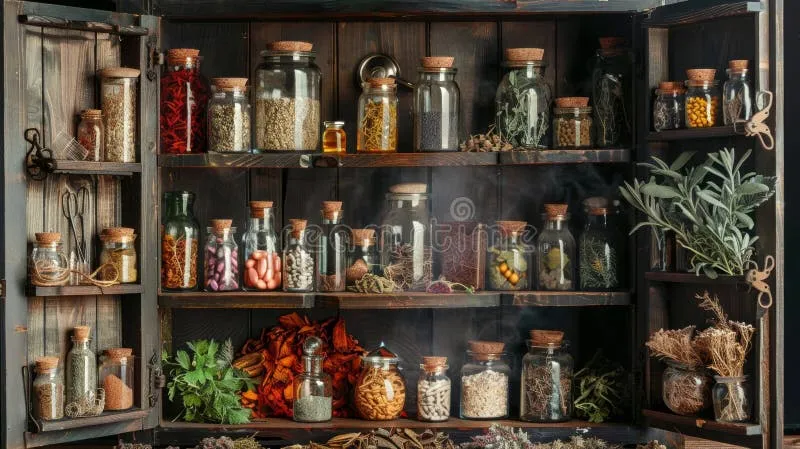
Pickling — using an acid like vinegar or relying on natural lacto-fermentation — sat somewhere between the two, producing shelf-stable vegetables that doubled as condiments, sides, and snacks. Walk into any farmhouse kitchen from the 1890s through the 1950s, and you'd find shelves of these jars lining the walls like a library of edible wisdom.
What the Microbiome Research Is Actually Saying
Here's where things get genuinely exciting. The human gut is home to trillions of microorganisms — bacteria, fungi, and other microbes that influence everything from digestion and immunity to mood and inflammation. Researchers now understand that the diversity of this microbial community matters enormously, and that modern diets, heavy on processed food and low on fiber and fermented ingredients, have quietly depleted that diversity over the past several decades.
Lacto-fermented foods — think real sauerkraut, kimchi, traditional dill pickles, kefir, and fermented beet kvass — are loaded with live beneficial bacteria, primarily Lactobacillus strains. A landmark 2021 study out of Stanford University found that a diet high in fermented foods significantly increased microbiome diversity and reduced markers of inflammation compared to a high-fiber diet alone. That's a big deal. Inflammation is at the root of conditions ranging from irritable bowel syndrome to cardiovascular disease to anxiety.
Beyond the probiotics themselves, fermentation actually transforms the nutritional profile of food. It breaks down anti-nutrients like phytic acid (which can block mineral absorption), increases the bioavailability of vitamins, and produces beneficial compounds like short-chain fatty acids that feed the cells lining your gut wall. Your great-grandmother's sauerkraut wasn't just preserved cabbage. It was, in the most literal sense, a living health food.
Canning is a slightly different story — the high heat used in the process kills off live bacteria, so traditionally canned goods don't carry the same probiotic punch. But home-canned fruits, vegetables, and tomatoes still preserve nutrients and fiber in a form that's vastly superior to most ultra-processed alternatives. And the food security argument for canning is hard to argue with: having a pantry stocked with your own preserved produce means you're less dependent on supply chains that, as recent years have reminded us, can get shaky fast.
Getting Started Without Overwhelming Yourself
The good news is that you don't need a farmhouse or a root cellar to start experimenting with these methods. Fermentation in particular is remarkably forgiving and low-tech.
Start with lacto-fermented vegetables. All you need is cabbage, non-iodized salt, a mason jar, and patience. Shred the cabbage, massage it with salt until it releases its natural juices, pack it tightly into a jar, and let it sit at room temperature for anywhere from three days to several weeks. The naturally occurring bacteria on the cabbage do the rest. The result is genuine, probiotic-rich sauerkraut — and once you've done it once, you'll wonder why you ever bought the pasteurized stuff from the grocery store shelf.
Try a simple pickle brine. Traditional lacto-fermented pickles use a salt-water brine rather than vinegar — cucumbers, dill, garlic, and a few grape or oak leaves (the tannins help keep things crunchy) get submerged and left to ferment. These aren't shelf-stable the same way vinegar pickles are, but they're alive with beneficial bacteria and taste like something from another era entirely.
If canning appeals to you, start with high-acid foods. Tomatoes, jams, and fruit preserves are the safest entry point for water-bath canning at home. The USDA's National Center for Home Food Preservation (nchfp.uga.edu) has free, tested recipes that take the guesswork out of safety. A basic canning kit — a large pot, a rack, and some Ball jars — will run you under $50 and last decades.
The Revival That's Already Happening
You don't have to look hard to see that Americans are circling back to these traditions. Farmers markets across the country are dotted with vendors selling small-batch fermented vegetables and raw kombucha. Canning supply sales spiked dramatically during the pandemic as people sought more control over their food supply. Online communities dedicated to fermentation have hundreds of thousands of members sharing recipes, troubleshooting tips, and the particular satisfaction of pulling a perfectly bubbling jar off the counter.
What's interesting is who's driving this revival. It's not just homesteaders or back-to-the-land types. It's urban millennials, health-conscious parents, and anyone who's started paying attention to what's actually in their food and decided they'd like a little more say in the matter.
Your gut bacteria, it turns out, have very good taste in history. They thrive on the same foods that kept American families healthy long before there was a pill or supplement for every ailment. The crock in the corner of the kitchen wasn't primitive. It was, in its quiet way, genius.