Growing Your Own Medicine Cabinet: Why Young Americans Are Planting Herb Gardens Like It's 1922
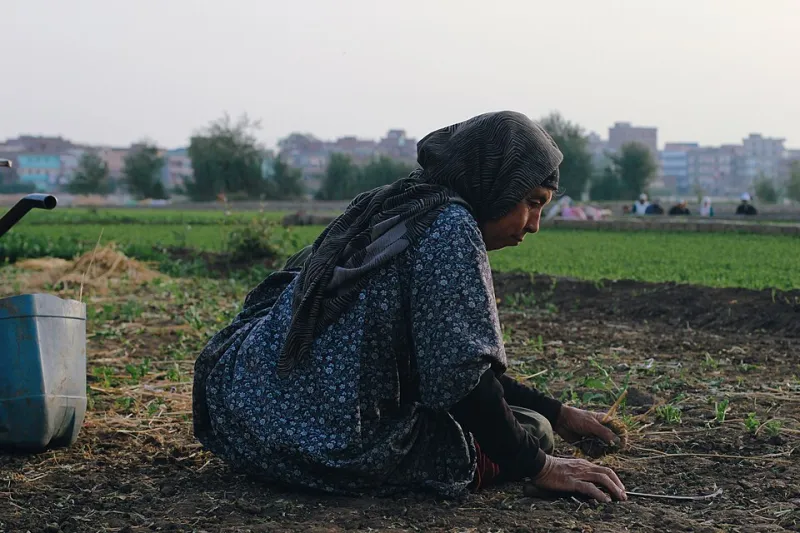
Photo: AmiraAdel93, CC BY-SA 4.0, via Wikimedia Commons
Maya, 29, lives in a 900-square-foot apartment in Denver with three cats and a fire escape covered in pots. Lavender, lemon balm, echinacea, and a sprawling rosemary bush that her neighbors have started asking to borrow from. She doesn't have a yard. She barely has counter space. But she hasn't bought a bottle of NyQuil in two years.
"My great-grandmother grew up in rural Kentucky and she knew every plant on her property by name and what it was good for," Maya says. "That knowledge just kind of... evaporated somewhere between her generation and mine. I'm trying to get it back."
She's not alone. Across the US, millennials and Gen Z are quietly turning balconies, backyards, community plots, and kitchen windowsills into what their ancestors would have simply called the medicine garden. And the numbers back it up — the home gardening market has exploded since 2020, with medicinal herb seeds consistently ranking among the fastest-growing categories at nurseries and online seed retailers.
This isn't just a pandemic-era hobby that stuck around. It's starting to look like a genuine cultural shift.
What Got Lost — and Why It Matters
For most of American history, the line between kitchen garden and medicine cabinet was blurry by design. Families grew what they needed, and what they needed included plants for common ailments. Chamomile for upset stomachs and sleeplessness. Yarrow to clean wounds. Elderberry to shorten the duration of colds. Plantain — the weed that grows in your driveway — as a poultice for bug stings and minor skin irritation.
This knowledge wasn't esoteric or mystical. It was practical, passed down through families the way recipes were, scrawled in the margins of cookbooks and demonstrated in the garden on summer afternoons. It was, in many communities, just what you did.
The post-World War II pharmaceutical boom changed everything. Suddenly there was a pill for everything, and the idea of going out back to snip some herbs started to feel old-fashioned, even embarrassing. By the time the baby boomers were raising kids in the suburbs, most of that plant knowledge had been quietly shelved.
Now their grandchildren are digging it back up.
The Easiest Herbs to Start With (and What They're Actually Good For)
If you're new to medicinal gardening, the good news is that most healing herbs are genuinely easy to grow — many of them are borderline unkillable. Here's where experienced home herbalists suggest starting:
Calendula — Bright orange and cheerful, calendula thrives in almost any soil and blooms prolifically. The petals have well-documented anti-inflammatory and antimicrobial properties, making them ideal for homemade salves for dry skin, minor cuts, and rashes. This was a staple of American homestead gardens well into the early 20th century.
Lemon Balm — A member of the mint family, lemon balm spreads enthusiastically (give it a container if you don't want it taking over). It's traditionally used for anxiety, digestive upset, and sleep trouble. Recent studies have confirmed its mild sedative and anxiolytic effects — your great-grandmother just called it "the calming herb."
Echinacea — Native to the American prairie, echinacea was used by multiple Indigenous nations before becoming a widely adopted folk remedy for respiratory illness. It's a beautiful perennial that comes back year after year. Both the roots and the aerial parts have immune-modulating properties that have held up under clinical scrutiny.
Holy Basil (Tulsi) — Less familiar to Western gardens than its culinary cousin, holy basil has been central to Ayurvedic medicine for thousands of years and is gaining serious traction in American herbal circles. It's an adaptogen, meaning it helps the body manage stress responses. Grows easily in containers, loves sun, and makes a genuinely pleasant tea.
Peppermint — Another aggressive spreader best kept in pots, peppermint is the gateway herb for a lot of new medicinal gardeners because it's so immediately useful. Headaches, nausea, digestive cramping, sinus congestion — peppermint tea addresses all of them, and it grows so fast you'll be harvesting within weeks of planting.
From Garden to Remedy: The DIY Shift
Growing the herbs is only half of it. What's equally interesting is the resurgence of home processing — tinctures, infused oils, dried herb blends, and salves made on kitchen stovetops using techniques that would be completely recognizable to an 1890s farmwife.
Jordan, 34, runs a small homestead outside of Asheville, North Carolina, and started making herbal tinctures during the early months of the pandemic when supply chains were shaky and pharmacy shelves were unpredictable. "I just wanted to feel less dependent," he says. "Like, if the store is out of something, what do I actually know how to do for myself?"
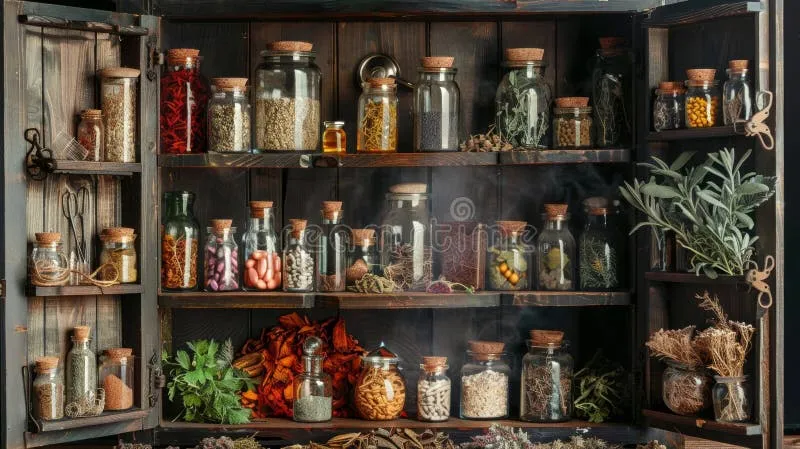
He's now got a dedicated shelf of amber dropper bottles — elderberry tincture, valerian, echinacea — and has started teaching friends and neighbors the basics. "It's not complicated. You put plant material in alcohol, you wait, you strain it. People did this for centuries."
Online communities dedicated to home herbalism have grown substantially, with subreddits, YouTube channels, and Instagram accounts documenting the learning curve in real time. Books like Rosemary Gladstar's Medicinal Herbs: A Beginner's Guide have found new audiences among people who've never gardened before in their lives.
The Bigger Picture: Self-Sufficiency as Wellness
There's something worth noting about why this trend is resonating so strongly with younger Americans specifically. Millennials and Gen Z have come of age in a healthcare system that frequently feels inaccessible, expensive, and impersonal. Prescription drug costs are a genuine source of financial stress for millions of families. The appeal of growing something in your backyard that actually helps — for essentially no cost — isn't just romantic. It's rational.
This isn't an anti-medicine movement, and most home herbalists are careful to say so. The goal isn't to treat cancer with chamomile tea. It's to handle the everyday, minor-to-moderate stuff — stress, sleeplessness, seasonal colds, skin irritation, digestive grumbles — with tools that are gentle, affordable, and deeply connected to a longer human tradition of self-care.
"My doctor is great, and I still go when I need to," Maya says. "But for the day-to-day stuff? I'd rather go out to my fire escape and pick something than drive to a CVS."
Getting Started This Weekend
You don't need a yard, a big budget, or a botany degree. A few four-inch pots on a sunny windowsill is enough to start. Pick one or two herbs that address something you actually deal with — stress, trouble sleeping, frequent colds — and learn those well before expanding.
Seed companies like Strictly Medicinal Seeds and Horizon Herbs specialize in medicinal varieties and ship across the country. Your local farmers market is also a great place to find established starts and talk to growers who can answer questions.
The knowledge your great-grandparents held isn't gone — it's just been waiting. And it turns out, all it needed was a generation willing to get their hands back in the dirt.