Bone, Bark, and Bandage: The Kitchen-Table Medicine That Kept Americans Standing Before Hospitals Took Over
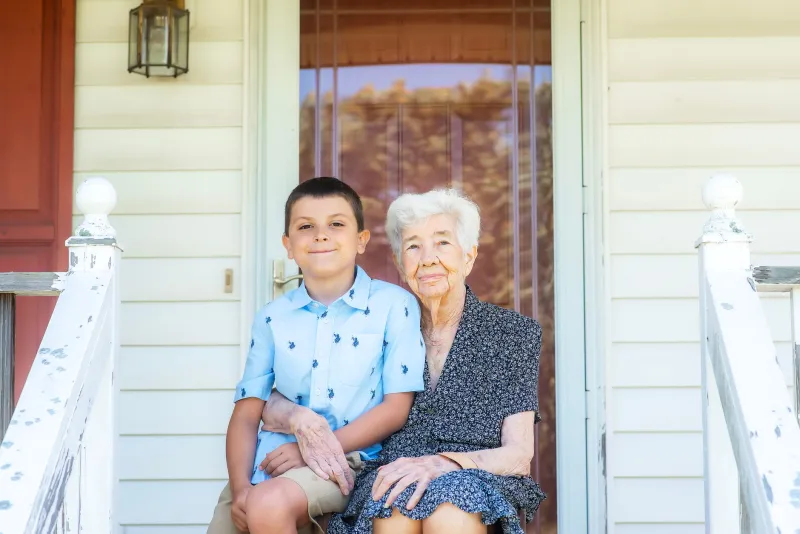
There was a time in this country when the kitchen wasn't just where you cooked dinner. It was where you set a broken arm, stitched a deep gash, and nursed a neighbor back from the edge of infection — all before breakfast, if the farm demanded it. The family matriarch wasn't a licensed practitioner. She was something arguably more useful: a woman who had learned, watched, and remembered.
Modern Americans tend to assume that home-based wound care and bone management were primitive stopgaps — desperate measures taken in the absence of real medicine. But that framing gets the history exactly backward. For most of American life, domestic healing was the primary medicine. Hospitals were distant, expensive, and frankly dangerous well into the early twentieth century. The kitchen table wasn't a last resort. It was the first line of defense, and generations of families trusted it completely.
So what did they actually know? And why are orthopedic researchers and wound-care specialists quietly circling back to some of the same conclusions?
The Bone-Setter's Art
Before orthopedic surgeons existed as a profession, rural and small-town communities relied on "bone-setters" — often self-taught men and women who had a feel for skeletal structure and how to coax it back into place. This wasn't quackery. It was accumulated tactile knowledge, passed hand to hand across generations.
In the mid-1800s, bone-setting was respected enough that formal physicians complained about it in their journals — not because it didn't work, but because patients kept preferring it. A bone-setter in a New England farming community might have handled hundreds of fractures over a lifetime, developing an intuition that no amount of textbook reading could replicate.
At home, the tools were simple: straight-grained wood for splints, torn linen for binding, and a firm but careful pair of hands. The principle — immobilize the break, reduce swelling, support the surrounding tissue — is exactly what modern orthopedic care still aims for. The delivery method has changed. The underlying logic hasn't moved an inch.
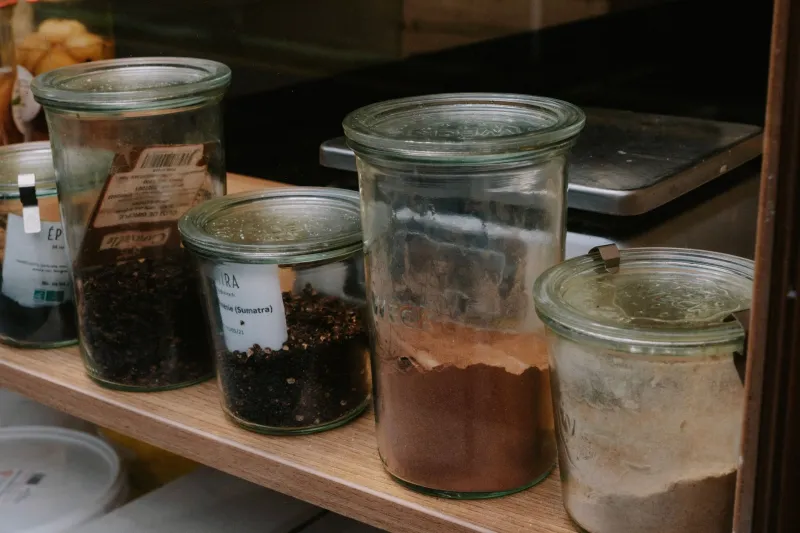
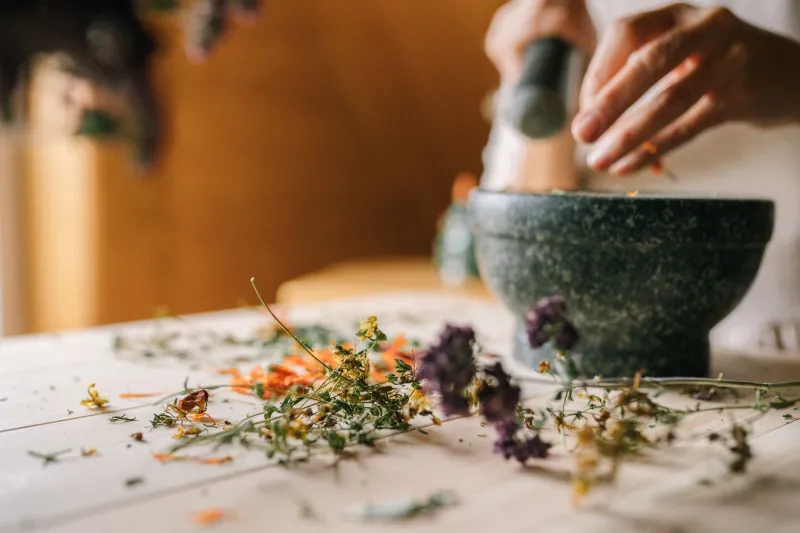
Comfrey root, known colloquially as "knitbone" or "boneset" in Appalachian and Southern traditions, was applied as a poultice directly to fractures and sprains. The nickname wasn't poetic license. Comfrey contains allantoin, a compound that genuinely promotes cell proliferation and speeds tissue repair. Modern sports medicine has published peer-reviewed data confirming what grandmothers in Kentucky were applying to ankles long before the first sports science journal existed.
Wound Care That Actually Worked
The wound-care cabinet of a nineteenth-century American home would look strange to modern eyes, but the chemistry behind it holds up remarkably well.
Raw honey was pressed directly into open wounds. It sounds old-fashioned until you learn that medical-grade Manuka honey is now used in clinical wound dressings because of its antimicrobial properties and its ability to create a low-pH environment that bacteria can't thrive in. American families didn't know the mechanism. They knew it worked, and they passed that knowledge forward.
Plantain — not the banana, but the broad-leafed weed that still grows in sidewalk cracks and backyard lawns across the country — was chewed or bruised and pressed onto cuts, insect stings, and infected punctures. It's anti-inflammatory, mildly antimicrobial, and draws out splinters and debris with what felt like almost magical efficiency to anyone who grew up watching their grandmother use it. Modern phytochemistry has identified the active compounds. The plant didn't change. We just stopped noticing it.
Turpentine, pine pitch, and sulfur-based preparations handled deeper infections in an era before antibiotics. Were they always effective? No. Were they sometimes the difference between a healed wound and a lost limb? Absolutely. The families who kept these remedies on hand weren't being reckless. They were being prepared.
Structural Support Without a Specialist
Sprained ankles, dislocated shoulders, and wrenched knees were managed at home with a combination of rest, compression, elevation, and herbal support — a protocol that maps almost perfectly onto the RICE method (Rest, Ice, Compression, Elevation) that sports medicine eventually formalized in the 1970s. The ice was often missing in warmer months, replaced by cool clay poultices or wet herb packs, but the structural logic was identical.
What's particularly interesting is the attention early American home healers paid to the whole body during injury recovery. A broken wrist wasn't just a wrist problem. It changed how you slept, how you ate, how you moved through your day. The healer — usually a mother, grandmother, or trusted neighbor — tracked all of it. That kind of whole-person observation is something modern physical therapy is actively trying to reclaim after decades of hyper-specialization.
Why We Handed It Over
The shift away from domestic healing wasn't sudden, and it wasn't entirely voluntary. The professionalization of American medicine in the early twentieth century — driven by the Flexner Report of 1910, which standardized medical education and effectively dismantled folk and domestic practice — reshaped not just who could practice medicine, but who believed they could.
Within two generations, the knowledge that had lived in kitchens and on front porches moved into hospitals and clinics. That transition saved lives in real and measurable ways. Surgical antisepsis, blood transfusions, and the antibiotic era are not small things. Nobody is arguing otherwise.
But something else moved out of households along with the dangerous practices: confidence. The quiet, competent belief that a family could handle a great deal on their own — that bodies were understandable, that healing was learnable — eroded steadily. We outsourced not just the complicated cases but the simple ones. And in doing so, we lost fluency in a language that humans had been speaking for thousands of years.
What's Worth Reclaiming
None of this is an argument against emergency medicine. A compound fracture, a wound that won't stop bleeding, a joint that needs imaging — these belong in a hospital, full stop.
But the space between "I can handle this at home" and "I need a specialist" has collapsed in ways that don't serve us well. Most Americans today couldn't confidently splint a sprained ankle, identify plantain in a yard, or know when honey is and isn't appropriate for a wound. That's not a safety improvement. It's a knowledge gap.
The old kitchen-table healers weren't reckless. They were attentive. They knew their limits — most of them — and they knew their resources. They understood that the body has a strong preference for healing, and that the job of the caregiver is mostly to support that process without getting in the way.
That's still true. It was always true. The kitchen table is still there. We just forgot what we used to know how to do at it.