What Grandma Kept in That Closet: The Depression-Era Home Apothecary and the Science That's Finally Catching Up
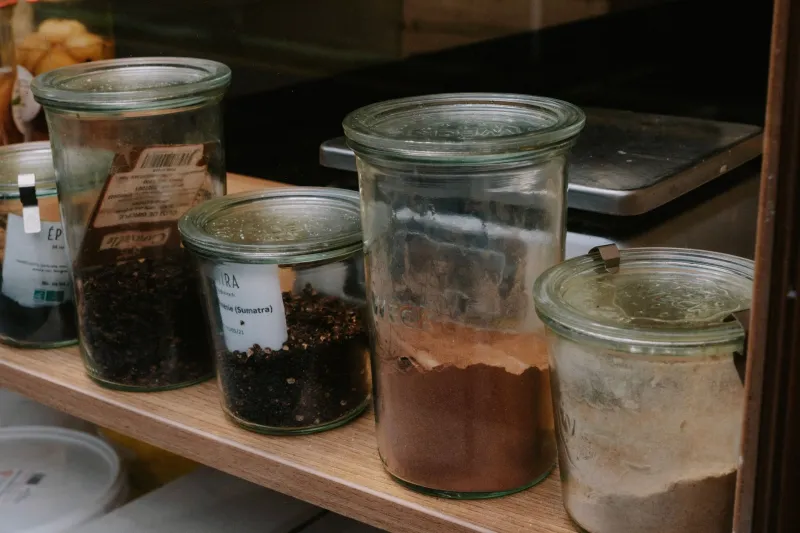
There was a closet — or a pantry shelf, or a wooden cabinet tucked beside the kitchen — in nearly every American home during the Great Depression. It didn't look like much. A few dark glass bottles. Some cloth pouches of dried plant material. A tin of something pungent. A jar of vinegar that had been sitting there so long it had grown a mother.
This was the family apothecary. And for millions of Americans who couldn't afford a doctor visit and couldn't count on a pharmacy being nearby, it was everything.
Decades later, those shelves have mostly been replaced by a bathroom cabinet full of branded over-the-counter products. But there's a growing movement of people — curious, skeptical, and increasingly fed up with the cost and complexity of modern healthcare — who are asking a simple question: what did those Depression-era families actually know?
The answer, it turns out, is quite a lot.
The Economics of Self-Doctoring
Context matters here. The 1930s were brutal. Unemployment hit 25 percent. Rural communities in particular had limited access to medical care, and even urban families often couldn't afford a doctor's bill. Necessity drove ingenuity, and American households became remarkably self-sufficient in their approach to health.
But this wasn't a system invented out of desperation. It was a refinement of something much older — a tradition of domestic medicine that stretched back through the 19th century and beyond, rooted in European folk herbalism, Native American plant knowledge, and hard-won generational experience. What the Depression did was strip away the luxury of outsourcing your health to someone else. Families got serious about what worked.
The result was a surprisingly coherent system: a rotating inventory of inexpensive, shelf-stable ingredients that could address a wide range of common ailments. And many of those ingredients are sitting in your kitchen right now.
The Mustard Plaster: Old-Fashioned and Actually Effective
Few remedies feel more old-timey than the mustard plaster — a paste of ground mustard seed spread on cloth and applied to the chest for respiratory congestion. It sounds like something out of a Little House on the Prairie chapter. It also works.
Ground mustard contains compounds called isothiocyanates, which are released when the seed is mixed with water. These compounds create a warming, vasodilating effect on the skin, drawing blood to the surface and, according to several studies, helping to loosen mucus in the airways. The sensation is intense — generations of children remembered it vividly — but the mechanism is real.
The key that Depression-era mothers understood intuitively: never apply mustard paste directly to bare skin, and never leave it on too long. A layer of cloth between the plaster and the skin prevented burns. This wasn't just caution. It was practical pharmacology.
Castor Oil: The Remedy Everyone Hated and Nobody Could Quit
If mustard plasters were feared, castor oil was dreaded. A thick, viscous oil pressed from the seeds of the Ricinus communis plant, it was administered for constipation, applied to skin irritations, and occasionally used in warm compresses for joint pain and inflammation.
Modern research has validated its core uses more thoroughly than most people realize. Castor oil is rich in ricinoleic acid, a fatty acid that binds to receptors in the intestinal wall and stimulates smooth muscle contractions — explaining its reliable laxative effect. Applied topically, the same compound has demonstrated anti-inflammatory properties in multiple studies, supporting its traditional use for swollen joints and skin conditions.
The warm castor oil pack — a flannel cloth soaked in the oil, applied to the abdomen or a sore joint, and covered with a heating pad — has seen a genuine resurgence in integrative medicine circles. What Depression-era grandmothers were doing intuitively, some practitioners are now recommending deliberately.
Apple Cider Vinegar: The Tonic That Refuses to Go Away
Few ingredients have had a longer, stranger run in American folk medicine than apple cider vinegar. It appeared in household remedy guides throughout the 19th century, anchored the Depression-era apothecary shelf, and is currently enjoying a full-blown revival on social media.
The historical uses were broad: diluted as a digestive tonic before meals, applied topically to sunburns and skin irritations, gargled for sore throats, and used as a mild disinfectant for minor wounds. The science offers a nuanced picture.
Acetic acid, the active compound in vinegar, does have demonstrated antimicrobial properties — solid enough that some research has explored its use against certain wound-infecting bacteria. The digestive claims are more complex. There's credible evidence that small amounts of diluted vinegar before a carbohydrate-heavy meal can blunt post-meal blood sugar spikes by slowing gastric emptying. That's a meaningful finding, especially given what we now know about blood sugar and long-term health.
The throat gargle? The acidity creates an inhospitable environment for certain bacteria and may help loosen mucus. It's not a cure, but it's not nothing either.
What Depression-era households understood, even without the biochemistry, was that vinegar was a versatile, inexpensive tool. They weren't wrong.
Mineral Salts and the Lost Art of Electrolyte Thinking
The apothecary closet of the 1930s almost always included Epsom salt — magnesium sulfate — and often sea salt or pickling salt as well. These weren't just for cooking or soaking sore feet, though they were used for both. Mineral salts were understood as something the body needed, particularly during illness, hard physical labor, or summer heat.
This intuition was ahead of its time. We now know that magnesium is involved in over 300 enzymatic processes in the human body, and that most Americans are chronically deficient in it. Transdermal absorption of magnesium through Epsom salt baths remains a topic of active research, with some evidence supporting meaningful uptake through the skin during extended soaks.
Salt itself — in appropriate amounts — was understood as essential to recovery from illness. The concept of oral rehydration, now a cornerstone of global health intervention, is built on exactly this principle: water alone isn't enough, and mineral salts are what allow the body to actually retain hydration.
Dried Herbs and the Quiet Pharmacy of the Pantry
Beyond the heavy hitters, the Depression-era apothecary typically included a collection of dried herbs — chamomile for nervous stomachs and sleeplessness, peppermint for headaches and digestion, elderberry for colds and flu, calendula for skin healing. These weren't exotic imports. They were often grown in the backyard or purchased cheaply at the general store.
The science behind each of these has expanded considerably in recent decades. Chamomile's apigenin content has been studied for its binding activity at GABA receptors, offering a plausible explanation for its calming effects. Elderberry extracts have shown genuine antiviral activity in controlled trials. Calendula's wound-healing properties have been validated in multiple clinical studies. Peppermint oil has a solid body of evidence supporting its use for tension headaches when applied topically to the forehead.
None of these herbs are magic. But none of them were superstition either.
Bringing It Forward
There's something clarifying about looking at the Depression-era apothecary through a modern lens. These families weren't anti-medicine — they were pro-resourcefulness. They used what they had, passed down what worked, and built a system of self-care that was sustainable precisely because it didn't depend on anything expensive or hard to find.
That's a model worth revisiting. Not as a rejection of modern medicine, which has given us things those families could only dream of, but as a complement to it. A jar of raw apple cider vinegar, a bag of Epsom salt, some dried chamomile, and a tin of ground mustard seed won't fill every gap. But they'll fill more than you might expect.
The closet is still there. It just needs restocking.