When Flower Beds Were Medicine Chests: The Secret Healing Logic Behind Victorian Gardens
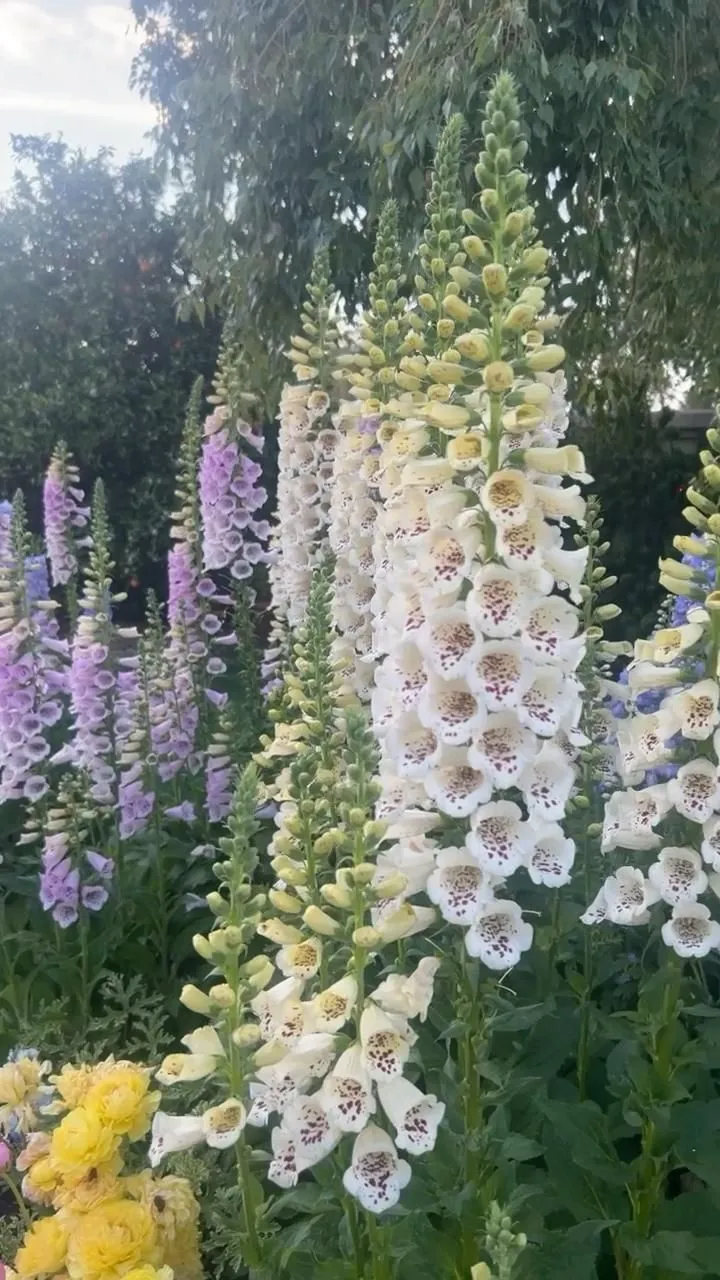
Photo: Victorian cottage garden with colorful medicinal flowers foxglove hollyhock vintage, via i.pinimg.com
Walk through any historic neighborhood in New England or the mid-Atlantic and you'll still stumble across them — those deep, lush cottage-style garden beds tucked against old farmhouses and Victorian front porches. They look like something out of a painting. What most people don't realize is that they were something more than decorative. Those gorgeous, slightly chaotic arrangements of blooms and greenery? They were the family pharmacy.
For much of the 1800s and into the early twentieth century, American homemakers — particularly women, who managed most household health care — kept what were sometimes called "physic gardens" or "apothecary gardens." The concept wasn't new even then. It stretched back through colonial America all the way to medieval European monastery gardens. But the Victorians took it and made it stunning.
Beauty Was Never the Only Point
Here's what's easy to forget: the Victorians were obsessed with appearances, yes, but they were also intensely practical. A garden that only looked good was a garden that wasn't pulling its weight. So they developed an aesthetic that wove medicinal plants so naturally into the landscape that visitors would admire the garden without ever suspecting it doubled as a healing space.
Feverfew, for example, was a staple of Victorian borders. With its cheerful little white daisy-like blooms and feathery leaves, it looked perfectly at home next to roses and foxglove. But it was also used for centuries to treat headaches, fevers, and what we'd now recognize as migraine symptoms. Modern research has actually given feverfew a second look, with some studies suggesting compounds in the plant may help reduce migraine frequency. Your great-great-grandmother probably didn't know the biochemistry, but she knew it worked.
Hollyhock was another one. Those tall, dramatic spires that still show up in cottage gardens today? Victorians used the flowers and roots to soothe sore throats, calm digestive upset, and treat skin irritations. The plant belongs to the mallow family, which has a long tradition in folk medicine across Europe and the American frontier. It looked magnificent climbing a fence or framing a doorway — and it earned its keep.
Foxglove and the Fine Line Between Remedy and Danger
No conversation about Victorian medicinal gardens is complete without foxglove (Digitalis purpurea), and it's worth pausing here because this one is genuinely complicated. Foxglove is breathtaking — those tall purple and white bell-shaped spires are iconic in any garden setting. Victorian gardeners adored it.
They also respected it, because foxglove is potent. The plant contains compounds called cardiac glycosides, and while 18th-century physician William Withering had already documented its use in treating heart conditions by the time the Victorian era rolled around, most home gardeners weren't dosing themselves with it directly. Instead, foxglove occupied a particular place in the apothecary garden as a plant that signaled knowledge — growing it meant you understood the deeper tradition of plant medicine, even if you left the actual medicinal use to a trained herbalist or physician.
It's a good reminder that the Victorian apothecary garden wasn't a free-for-all. There was real knowledge embedded in those planting decisions.
The Plants Nobody Talks About Anymore
Beyond the showstoppers, Victorian gardens were full of quieter workhorses that have mostly faded from American memory.
Lemon balm was grown in nearly every kitchen garden for its calming properties — used in teas for anxiety, sleep trouble, and digestive complaints. Today it's making a quiet comeback in herbal wellness circles, and honestly, it's one of the easiest things you can grow.
Calendula (often called pot marigold) blazed orange and gold in Victorian beds. It was used topically for skin healing — cuts, rashes, chapped skin — and it's one of the traditional remedies that modern herbalists and even some mainstream skincare brands have fully embraced. You'll find calendula in plenty of natural salves and creams on shelves today.
Valerian, with its clusters of tiny pale pink flowers, was a fixture in the back of the border. Victorians used it as a sleep aid and nerve tonic. It smells a little funky, honestly, but the plant was considered essential. Sound familiar? Valerian root supplements are everywhere in modern wellness retail.
Echinacea, native to the American prairie, was brought into cultivated gardens as both a striking ornamental and a cold-season remedy. Plains Indigenous peoples had used it medicinally long before European settlers took notice, and by the late 1800s it had found its way into both formal garden beds and patent medicine formulas.
How Victorian Gardeners Thought About Design
What's genuinely impressive about the apothecary garden tradition isn't just the plant knowledge — it's the design philosophy. These weren't separate "medicine patches" hidden around back. The healing plants lived right up front, mixed into the ornamental landscape with intention.
Taller plants like hollyhock and foxglove went to the back of the border. Mid-height bloomers like feverfew and echinacea filled the middle. Low-growing herbs like lemon balm and calendula edged the front. It followed the same layered design principles that modern landscape designers still teach — it just happened to also be functional in a way most modern gardens aren't.
There was also a seasonal logic to it. Victorian gardeners planned their beds so that something was blooming — and therefore harvestable — through most of the growing season. Spring brought the earliest herbs. Summer was peak harvest time. Fall-blooming plants extended the season. The garden wasn't just a snapshot of beauty; it was a working calendar.
Why This Is Worth Reviving
There's a tendency in modern wellness culture to separate beauty from function — your supplements are in a cabinet, your garden is for curb appeal, and never the twain shall meet. The Victorians, for all their fussiness and formality, actually had a more integrated approach. Healing was woven into the environment. You didn't go somewhere special to access it. You stepped outside.
A growing number of American home gardeners are quietly returning to this idea. Seed companies that specialize in heirloom and medicinal varieties have reported rising interest over the past several years. Cottage garden aesthetics are trending on every platform you can name — and while most people pinning those images are thinking about style, some are also starting to ask: what did those plants do?
The answer, it turns out, is quite a lot.
You don't need a sprawling Victorian estate to start. A handful of well-chosen plants in a raised bed or even a few containers can get you started — calendula, lemon balm, feverfew, echinacea. They're not hard to grow, they look genuinely beautiful, and they connect you to a tradition of everyday plant wisdom that Americans were practicing long before wellness became a brand.
Your great-great-grandmother's garden wasn't just pretty. It was purposeful. And maybe that's the most Victorian thing of all — the insistence that something could be both.