The Brine and the Barrel: How Old-World Food Preservation Gave Our Ancestors Minerals Modern Diets Can't Match
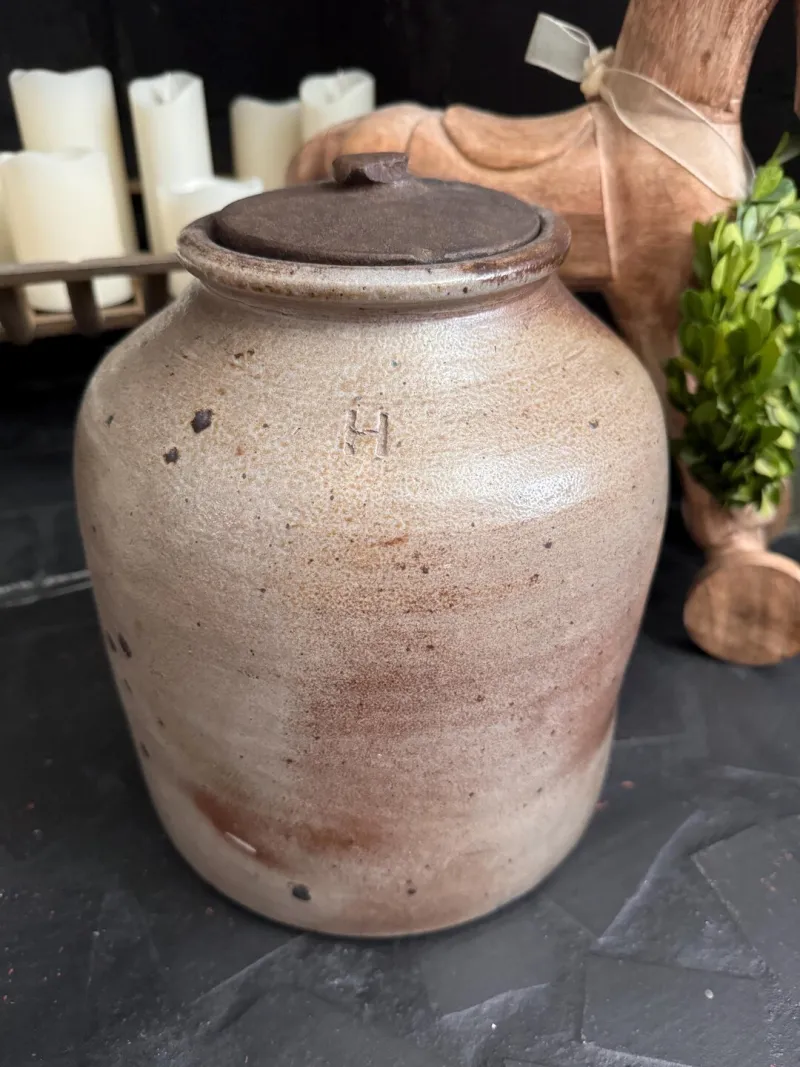
Photo: vintage kitchen salt curing fermentation crocks jars traditional food preservation rustic, via i.etsystatic.com
Picture a colonial American root cellar. Rows of stoneware crocks filled with brined vegetables. Sides of pork packed in salt. Wheels of aged cheese wrapped in cloth. Barrels of sauerkraut slowly working through winter. It looks rustic. It looks simple. What it actually represents, though, is one of the most nutritionally sophisticated food systems human beings ever developed — built entirely by necessity, validated entirely by survival.
Now picture your average American grocery store aisle. Shelf after shelf of packaged, processed food preserved not with salt and time but with sodium benzoate, potassium sorbate, and a list of stabilizers that requires a chemistry degree to pronounce. We've traded one preservation system for another. The problem is, the new one doesn't come with the same nutritional payoff.
Why Preservation Was a Science Before It Had a Name
Early settlers and their European ancestors didn't have the luxury of refrigeration, but they had something equally valuable: generations of accumulated knowledge about how to keep food safe, edible, and — crucially — nutritious through long winters and lean seasons.
Salt was the cornerstone of this system. Rubbed into meat, dissolved into brine, or packed around vegetables, salt draws moisture out of food through osmosis, creating an environment where harmful bacteria can't survive. But the settlers who packed their pork barrels and cucumber crocks weren't just preventing spoilage. They were, without knowing the science behind it, creating mineral-dense foods that delivered consistent electrolyte nutrition throughout the year.
Natural, unrefined salts — the kind used before industrial processing stripped minerals away — contain more than just sodium chloride. They carry trace amounts of magnesium, potassium, calcium, and a range of other minerals that the human body uses constantly and must regularly replenish. When settlers ate salt-cured ham or pickled vegetables, they were getting a mineral hit that went well beyond simple sodium.
Fermentation added another layer entirely. When vegetables are submerged in a salt brine and left to their own devices, naturally occurring Lactobacillus bacteria get to work. They consume sugars and produce lactic acid, which preserves the food and — here's the part that's getting a lot of attention from modern gut researchers — populates it with live beneficial bacteria. The sauerkraut in that colonial crock wasn't just preserved cabbage. It was a living food, full of probiotics that supported digestive health in a way that no shelf-stable product today can replicate.
The Mineral Gap Nobody's Talking About
Modern Americans are, by most nutritional assessments, chronically short on several key minerals. Magnesium deficiency is estimated to affect nearly half the U.S. population. Potassium intake falls well below recommended levels for most adults. Even sodium — which we're constantly warned to limit — is frequently consumed in the wrong forms, from heavily processed foods that deliver sodium chloride in isolation, stripped of the companion minerals that help the body actually use it.
The result shows up in a lot of familiar complaints: muscle cramps, fatigue, poor sleep, brain fog, digestive irregularity. These are the symptoms of a body running low on the minerals it needs to function, and they're strikingly common in a country that has more food available than any civilization in history.
The irony is sharp. Our ancestors, who worked physically demanding lives with far fewer food options, were in many ways better mineralized than we are. Their food preservation methods weren't just keeping them alive through winter. Those methods were actively contributing to their mineral nutrition in ways we've only recently started to understand.
Dry-Aging and the Nutrient Density Question
Salt-curing and fermentation get most of the attention in traditional food conversations, but dry-aging deserves a mention too. Early American households — and the butchers who served them — regularly aged meat through a process of controlled dehydration and enzymatic breakdown. The result was not just more flavorful meat but more nutrient-concentrated meat. As moisture evaporated, the ratio of protein, minerals, and fat to overall weight increased. You were getting more nutrition per ounce.
Today, most commercially sold beef is wet-aged in vacuum-sealed plastic bags — a faster, cheaper process that does nothing for nutrient concentration and produces none of the complex flavor compounds that dry-aging develops. The old method took weeks. The new one takes days. The economics are obvious. The nutritional trade-off is real.
What This Means for Your Gut Right Now
Gut health has become one of the biggest topics in modern medicine, and for good reason. Research over the past two decades has linked the diversity and balance of gut microbiota to everything from immune function to mental health to metabolic disease. The gut, it turns out, is not just a digestive organ. It's a central hub of overall health.
And what does a healthy gut microbiome need? Among other things, it needs regular exposure to diverse strains of beneficial bacteria — exactly what traditional fermented foods provided in abundance. Before refrigeration, before pasteurization, before processed food, Americans were eating lacto-fermented vegetables, cultured dairy, naturally fermented pickles, and traditionally cured meats on a daily basis. Their guts were getting a constant supply of microbial diversity that modern diets largely fail to deliver.
The explosion of probiotic supplements, prebiotic powders, and gut health products on the market today is, in a very real sense, an expensive attempt to recreate something our great-grandparents got for free from their root cellars.
Bringing the Brine Back to Your Kitchen
The good news is that traditional preservation techniques are genuinely accessible to anyone willing to spend a little time in the kitchen. You don't need special equipment, and you don't need to be a homesteader.
Start with a simple lacto-ferment. Cabbage, carrots, radishes, green beans — almost any vegetable can be fermented at home with nothing more than salt, water, and a clean glass jar. Use a ratio of about one tablespoon of non-iodized salt to two cups of water. Submerge your vegetables, cover loosely, and let them sit at room temperature for three to seven days. What you end up with is a living food packed with beneficial bacteria and minerals.
Choose your salt wisely. Skip the standard iodized table salt for fermentation and preservation projects. Look for sea salt, kosher salt, or mineral-rich options like Himalayan pink salt or Redmond Real Salt (a Utah-sourced mineral salt with a loyal following among traditional food enthusiasts). These retain trace minerals that refined salt has lost.
Try a dry-cure at home. A simple salt-and-herb rub applied to a pork belly or beef brisket, left in the refrigerator for several days, is a beginner-friendly introduction to dry-curing. The result is deeply flavored, mineralized meat that bears no resemblance to anything that comes in a plastic package.
Eat your ferments consistently. A few forkfuls of sauerkraut or a small glass of brine-fermented pickle juice with meals — a habit that would have been completely ordinary a century ago — can make a meaningful difference in gut microbiome diversity over time.
The Long View
There's a temptation to look at traditional food preservation as purely a historical curiosity — something interesting to read about but irrelevant to modern life. The nutritional science says otherwise. The techniques that kept American families fed through hard winters weren't just clever workarounds for the absence of refrigeration. They were sophisticated nutritional systems that delivered mineral-dense, probiotic-rich, enzyme-active foods in a way that modern food processing has never managed to replicate.
Your ancestors didn't need a probiotic supplement. They had a crock of sauerkraut in the cellar and a barrel of salt-cured pork on the shelf. Sometimes the oldest solutions turn out to be the ones worth returning to.