When Dusk Was Medicine: The Lost Evening Rituals That Kept America Healthy Before Electric Light
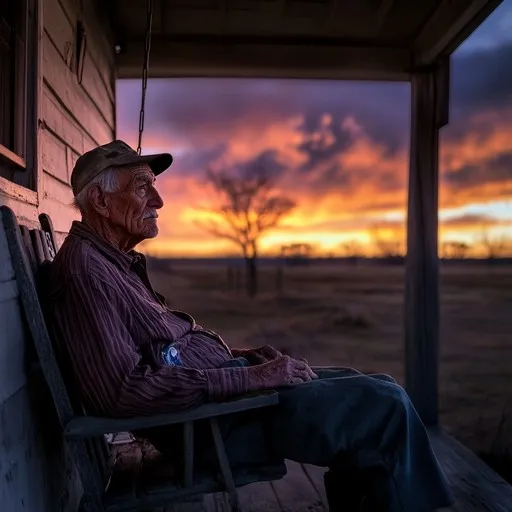
There was a time in this country when the dimming of the sky wasn't just a backdrop to the end of the day. It was a cue. A signal. Almost like a bell ringing in a one-room schoolhouse, telling everyone it was time to shift gears.
Before Edison's bulb rewrote the rules of American life, the hour around sunset held a specific kind of weight. Farmers wrapped up their last chores. Mothers started quieting the household. Apothecaries—those neighborhood healers who blended tinctures and compounded salves in the back of small-town shops—knew that their busiest advisory hour came right around dusk, when people came in looking for something to help them wind down, sleep soundly, or soothe whatever the day had stirred up.
It wasn't coincidence. It was biology. And it turns out, those old-timers were way ahead of the curve.
The Body Knows What Time It Is
Modern chronobiology—the science of how living things respond to natural time cycles—has spent decades confirming what your great-great-grandmother already knew in her bones. As daylight fades, the human body begins a cascade of internal shifts. Cortisol levels start dropping. Melatonin production begins to ramp up. Core body temperature edges downward. Digestion slows. The nervous system, if you let it, starts easing off the gas.
The key phrase there is if you let it.
For most of American history, people didn't have much of a choice. When the sun went down, the light went with it. Candles and oil lamps gave off a warm, low-lumen glow that, as it turns out, doesn't suppress melatonin the way our modern overhead lighting does. So the body got the message loud and clear every single evening: time to begin the descent.
Rituals naturally formed around that signal. And those rituals, passed down through generations and often prescribed by local healers and midwives, were quietly sophisticated.
The Herbal Tea Tradition Wasn't Just About Flavor
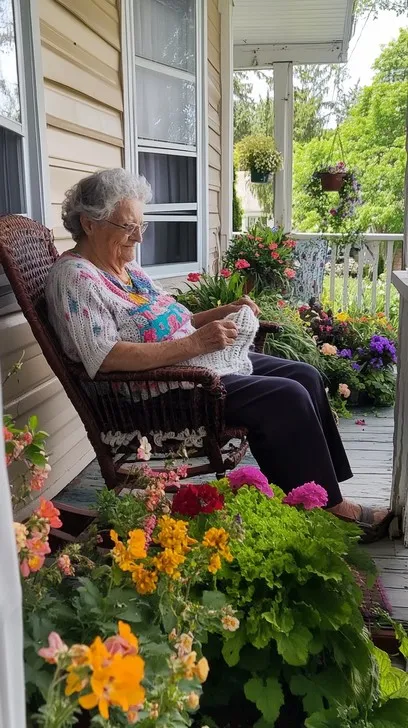
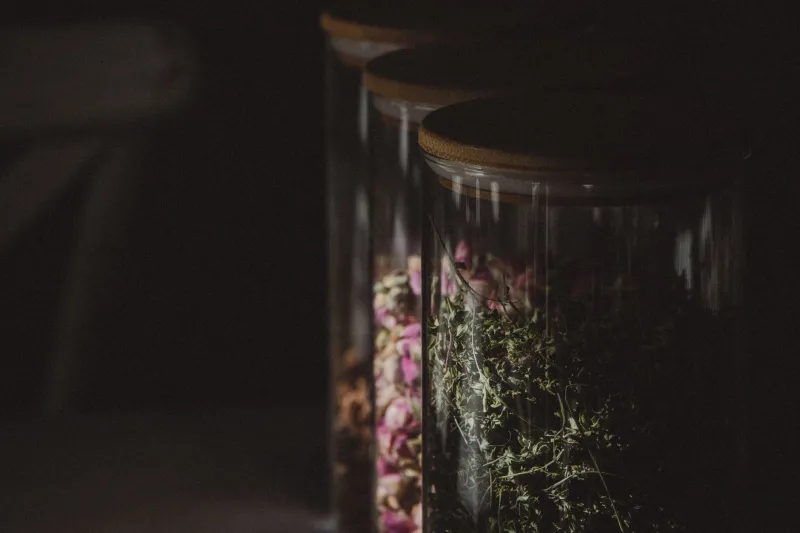
Ask anyone who grew up with a grandmother from the South, Appalachia, or the rural Midwest, and there's a decent chance they remember a nightly tea ritual. Chamomile was common. So was lemon balm, passionflower, and valerian root—plants that herbalists had been recommending for generations as gentle nervines, meaning they soothed the nervous system without knocking you flat.
These weren't random choices. Herbalists of the 18th and 19th centuries understood, through accumulated observation rather than clinical trials, that certain plants worked better in the evening. They were taken warm, which itself signals the body to relax. They were often prepared slowly—a kettle, a strainer, a quiet moment of waiting—which built in a kind of meditative pause that we'd probably call mindfulness now.
The act of making the tea was part of the medicine.
Modern research has backed up much of this. Chamomile's apigenin content binds to GABA receptors in the brain, producing mild sedative effects. Lemon balm has shown promise in reducing anxiety markers in small studies. Passionflower has been examined for its role in improving sleep quality. None of this is fringe anymore. It's showing up in peer-reviewed journals.
But here's the part we tend to overlook: the timing mattered too. Taking these plants at dusk, when the body's own chemistry was already beginning its nightly wind-down, likely amplified their effects in ways that taking a supplement at noon simply wouldn't.
Skin Preparations and the Evening Ritual of Repair
Apothecaries didn't just deal in teas. Evening was also the traditional hour for skin preparations, and there was real logic behind that practice too.
In the pre-industrial era, skin tonics and salves made from ingredients like rose water, beeswax, calendula, and lanolin were applied at night—not morning. Women and men alike understood, without knowing the cellular science behind it, that the skin behaved differently after dark. It was less exposed to wind and sun. It was warmer. It was, in a sense, more receptive.
They were right. Skin cell regeneration peaks at night. The skin barrier becomes more permeable in the evening hours, meaning topically applied botanicals absorb more efficiently. Modern dermatology has essentially rediscovered this principle, which is why the prestige skincare industry now pushes "night creams" and "overnight treatments" as separate categories from daytime products.
Your great-grandmother's rose water ritual wasn't vanity. It was pretty solid skincare science.
Settling Exercises: Movement That Slowed Things Down
Not all evening rituals were passive. Many American households, particularly in rural communities, had traditions of gentle movement after the evening meal—short walks, light stretching, or what older farming communities sometimes called "settling." The idea was simple: help the body transition from the exertion of the day to the stillness of the night.
This practice maps almost perfectly onto what exercise physiologists now recommend as "active recovery" and what sleep researchers call "pre-sleep wind-down movement." A 10-minute walk after dinner has been shown to lower blood glucose, ease digestion, and reduce the time it takes to fall asleep. Gentle stretching activates the parasympathetic nervous system—the rest-and-digest mode—and signals the body to step back from its fight-or-flight state.
People didn't need a study to tell them this felt right. They just did it because it worked, and because the rhythm of the day naturally invited it.
What We Lost When the Lights Stayed On
The invention of reliable electric lighting was, obviously, a massive leap forward for human civilization. Nobody's arguing against light bulbs. But one of the quieter casualties of that revolution was the body's relationship with dusk as a meaningful boundary.
When evenings became indistinguishable from afternoons—bright, stimulating, full of activity and noise—the natural cues that had organized human health rituals for centuries got drowned out. We stopped hearing the signal. And without the signal, the rituals dissolved.
Now we outsource the job to apps that tell us when to sleep, supplements we take without understanding their timing, and skincare routines we rush through before bed while scrolling our phones. We're doing the right things, sometimes. But we've lost the coherence—the sense that all of these practices were meant to work together, in concert with a natural rhythm that the body already understands.
Bringing the Apothecary Hour Back
You don't have to rewire your entire life to recover some of this. The golden hour around sunset is still there every evening, doing exactly what it's always done. Your body is still listening for the cue.
Start small. Brew a cup of chamomile or lemon balm tea around dusk and drink it somewhere away from a screen. Step outside for ten minutes while the light is still changing. Swap your overhead lights for lamps with warmer, lower bulbs in the hour before bed. Pull out a simple evening skin preparation—something with calendula or rose hip oil—and apply it slowly, without multitasking.
None of this requires an app. None of it requires willpower in the way that modern wellness culture tends to demand. It just requires paying attention to the light and letting it mean something again.
Your ancestors didn't call it a wellness routine. They called it evening. And somehow, that was enough.