Ink on Paper, Peace in Mind: The Forgotten Art of Letter-Writing That Healed Generations Before Therapy Was a Word
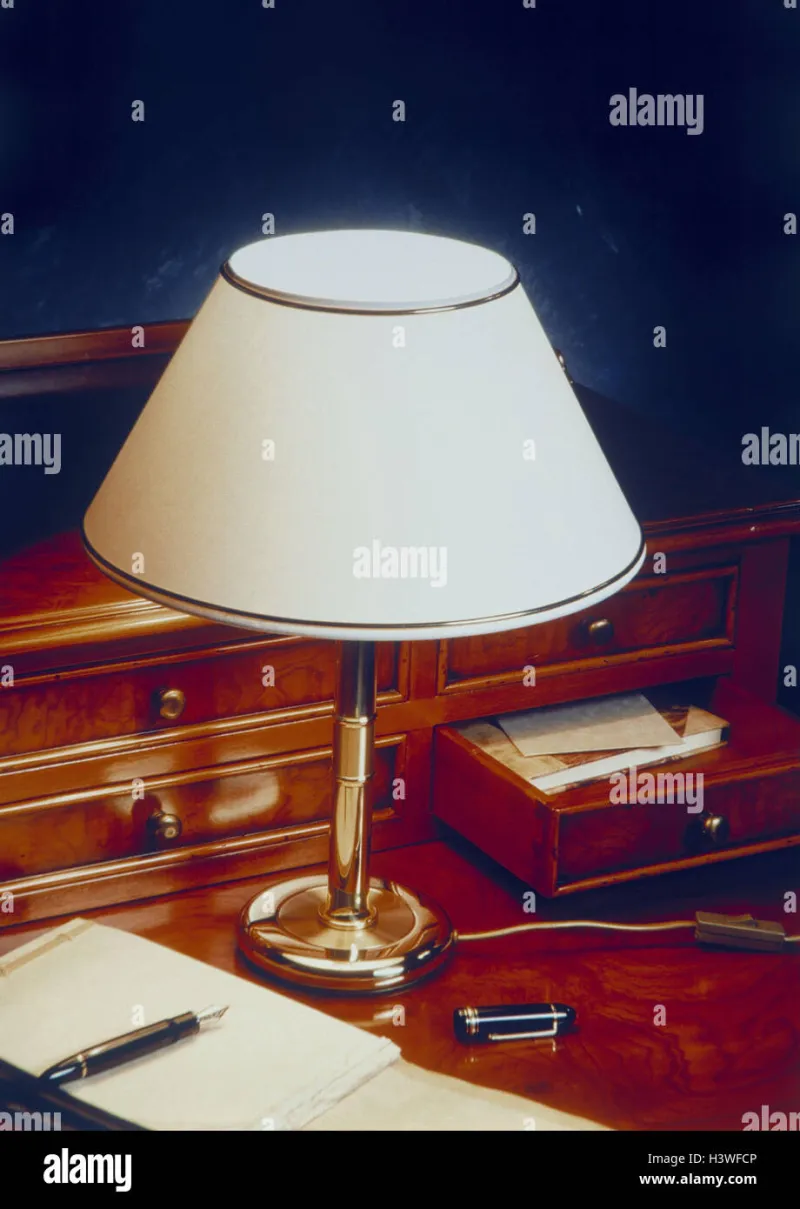
Photo: vintage handwritten letter pen stationery old fashioned desk lamp, via c8.alamy.com
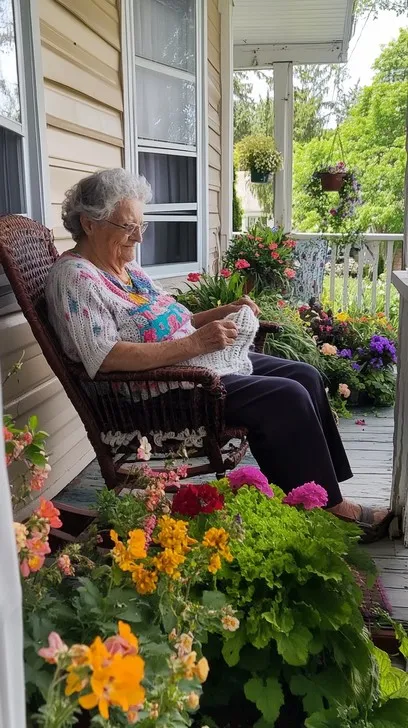
Picture a farmhouse kitchen somewhere in rural Ohio, circa 1943. A woman sits at a wooden table after supper, the day's work finally done, a single lamp burning beside her. She pulls out a sheet of stationery and begins to write to her sister three states away. She writes about the garden, about the neighbor's new baby, about the worry she can't quite shake. By the time she folds the letter and seals it, something has shifted. She feels — lighter.
She wasn't doing therapy. She wasn't journaling for self-improvement. She was just writing a letter, the way people had done for centuries. And yet, without knowing it, she was processing grief, organizing her thoughts, and deepening one of the most important relationships in her life — all at once.
We traded that ritual for a blinking cursor and a character limit. But a growing body of research suggests we gave up more than we realized.
What Slowing Down Actually Does to Your Brain
Here's the thing about a text message: it's designed for speed. You dash off a thought, hit send, and move on. The cognitive work involved is minimal — almost reflexive. Your brain barely has to pause.
Handwriting is a completely different animal. When you write by hand, your brain engages regions associated with language, memory, and fine motor control simultaneously. Researchers at the University of Stavanger in Norway found that the physical act of forming letters activates more neural pathways than typing the same words on a keyboard. Your brain, essentially, works harder — and that extra effort pays dividends.
This is why students who take handwritten notes consistently outperform those who type them. But the same principle applies to emotional content. When you slow down to write a letter, you're forced to actually think about what you want to say. You edit in your head before the words hit the page. You find language for feelings that, in a text thread, might just get a thumbs-up emoji.
That process — the searching, the choosing, the composing — is a form of emotional work. And emotional work, it turns out, is really good for you.
The Anxiety Relief Nobody Prescribed
Psychologists have long known that expressive writing — putting difficult emotions into words — can reduce stress and anxiety. The pioneering research of Dr. James Pennebaker at the University of Texas showed decades ago that people who wrote about emotionally challenging experiences reported better mental health outcomes, stronger immune function, and even fewer doctor visits over time.
But here's what gets lost in the modern version of that advice: Pennebaker's subjects were writing by hand, slowly, without an audience. There's something about the private, unhurried nature of that process that seems to matter.
Letter-writing takes it one step further. You're not just processing for yourself — you're reaching toward another person. That relational dimension adds a layer of purpose to the exercise. You're not venting into a void. You're crafting something meant to be received, read, held. That intention changes how you write, and probably how you feel when you're done.
Your ancestors didn't have a word for this. They just called it keeping in touch.
Connection That Actually Connects
Ask yourself honestly: when did you last feel genuinely known by someone based on a text exchange? Not just understood in the moment, but really seen — the kind of seen that comes from someone sitting with your words long enough to really take them in?
Pen pals in earlier American life weren't just a quaint hobby. For many people — soldiers overseas, women isolated on farms, immigrants separated from family — letters were the primary means of maintaining relationships across distance and time. And those relationships, built letter by letter over months and years, could be startlingly deep.
There's a reason people kept bundles of letters tied with ribbon. They were worth keeping. A text thread from five years ago, if you can even find it, reads like a grocery list by comparison.
Social scientists who study loneliness — which, let's be honest, is an epidemic in this country right now — consistently find that the quality of connection matters far more than the quantity of communication. You can send fifty texts a day to someone and still feel profoundly alone. One thoughtful letter, written and received, can do more for a relationship than months of digital back-and-forth.
What Your Grandparents Got Right Without Knowing the Science
The generation that grew up writing letters wasn't doing it because research told them to. They did it because it was the only option — and in being the only option, it shaped how they related to each other and to their own inner lives.
Think about the discipline involved. You couldn't unsend a letter. You had to mean what you wrote, or at least commit to it. That accountability made people more thoughtful, more deliberate. It's a kind of communication that demands — and builds — emotional maturity.
There's also something to be said for the physical experience of receiving a handwritten letter. Neuroscientists who study social bonding have noted that tangible objects associated with loved ones — something you can hold, that carries the physical trace of another person's hand — activate different emotional responses than digital messages. A letter from your mother feels different from an email from your mother. That's not sentimentality talking. That's biology.
How to Bring This Practice Back (Without Making It Weird)
You don't need to become a Victorian correspondent or invest in a wax seal kit. Starting small is fine — better than fine, actually.
Pick one person. Someone you care about but haven't really connected with in a while. Write them a single page. Tell them something real. Don't worry about it being eloquent. The act matters more than the prose.
If you're not sure where to start, try this: write about something you've been thinking about lately that you haven't told anyone. Something small is fine. The point is to practice translating inner life into written words — slowly, deliberately, for a specific human being.
Mail it. An actual stamp, an actual mailbox. The physical ritual is part of the medicine.
If you want to go a little deeper, consider keeping a small stash of stationery — nothing fancy, just something you like the feel of — and making letter-writing a weekly habit. Sunday evenings work well. It's a natural wind-down ritual that also happens to be quietly, genuinely good for your mental health.
The Pen Is Slower Than the Phone — That's the Point
We live in a world optimized for speed, and our wellness has suffered for it. The things that are genuinely good for us — rest, movement, real food, real connection — tend to be slower than the alternatives we've replaced them with.
Letter-writing fits that pattern perfectly. It asks you to stop, to think, to feel, to reach out to another person with intention and care. It was never just a communication technology. It was a practice — one that built relationships, processed emotion, and kept people tethered to each other across impossible distances.
Your ancestors knew this in their bones, even if they couldn't have explained the neuroscience. The farmhouse lamp is gone, but the stationery is still available at any drugstore.
Maybe it's time to write someone a letter.